

Daniel Standard
SOFTWARE SYSTEMS

Software system
development

We develop software systems tailored to the real processes, structure and goals of your organization. We build reliable, scalable solutions that connect information, people and processes in a single environment and support the sustainable growth of your business.

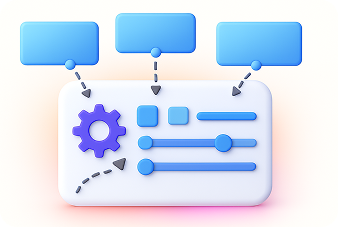
Full adaptation to
your real processes

A custom software system is built around the way your organization actually works. Instead of your business adapting to the limitations of an off-the-shelf product, the functionality follows your processes, roles and rules.

  • Flexible configuration
    based on your workflow

    We digitize your real workflow without forcing you to change proven practices just because of software limitations.

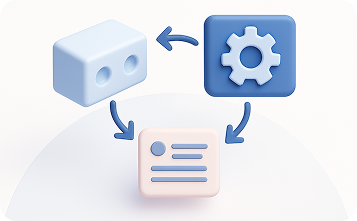
  • A modular approach
    with tailored features

    You get the tools you need, without extra modules that complicate the work and go unused.

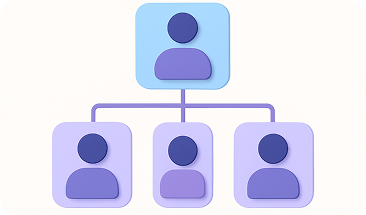
  • Logic aligned with your internal
    rules and team structure

    Permissions, roles, departments and access levels can follow the actual organizational structure of your business.

More convenient
and easier to use

When a system is developed around users' daily tasks, working with it becomes more natural and faster. Interfaces are designed with clear logic, easy access to the information you need and a minimum of unnecessary steps.

This makes the system easier to roll out, reduces the likelihood of errors and helps your team take full advantage of its capabilities.

Perfection comes
when we remove
the unnecessary

With custom development, the system can be optimized down to the smallest detail, from specific operations and automations to specialized reports, roles and sequences of actions. Technology stops being a limitation and becomes a tool for growth.

Quality control

We carefully test every stage of development to ensure reliable operation, security and high quality of the final product.

What is Big Data
and why it matters

Every business generates information about customers, sales, processes, machines, user behavior, resources and results. When the volume, velocity and variety of this data grow significantly, we are talking about Big Data.

The real value, however, lies not in the amount of information, but in the ability to process it, connect it and turn it into useful knowledge. The right technology architecture lets you uncover dependencies, trends and opportunities that would be hard to spot with traditional analysis.

Analyzing large datasets allows information from different sources to be viewed as a whole. This helps organizations better understand their processes, forecast trends and make decisions based on real data.

The technology
behind Big Data and its
business benefits

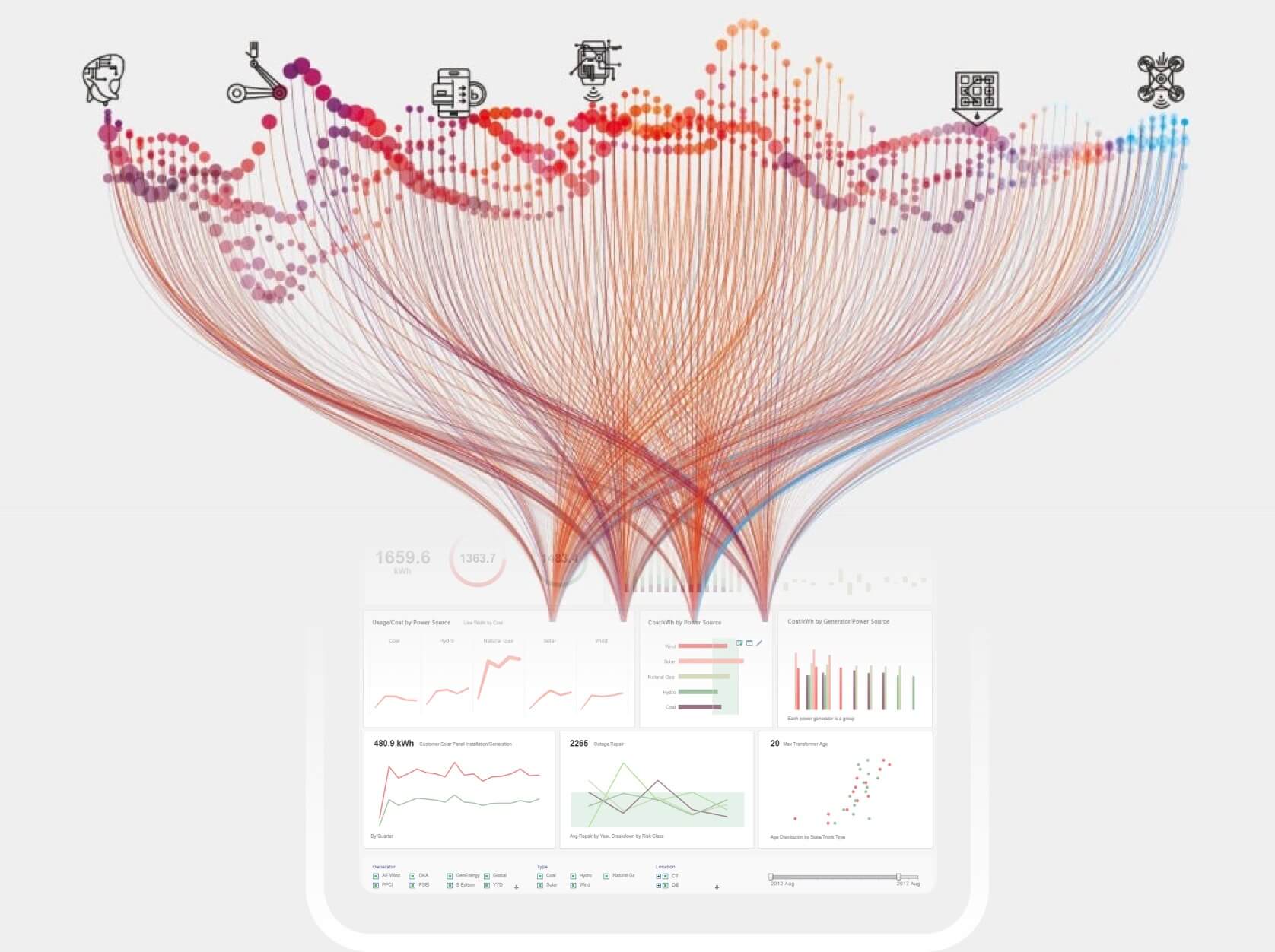
Working with large volumes of information requires an architecture capable of collecting, processing and analyzing data from various sources. The approach and technologies are chosen based on the specific volume, structure and goals of the project.

For your business, this means better visibility into what is happening across the organization and the ability to turn accumulated information into a real competitive advantage.

To cope with these huge volumes of data, the industry uses the 3V or 5V concept, which describes the core characteristics of Big Data:

  • Volume
    (scale)

    Huge amounts of data collected and processed from many different sources.

  • Velocity
    (speed)

    The speed at which data is generated, received, processed and analyzed in real time.

  • Variety
    (diversity)

    Different types and formats of data – text, images, documents, records, sensors and other sources.

  • Veracity
    (reliability)

    The quality and trustworthiness of the data needed for accurate analysis and sound business decisions.

  • Value
    (benefit)

    Turning collected data into useful information that supports business decisions and growth.

Control over data,
access and security

A custom system lets you set clear rules about who has access to information and what they can do with it. User roles, access levels, action traceability and security mechanisms are planned from the very start, as part of the solution's architecture.

Higher efficiency
through automation

Automation eliminates unnecessary manual operations and lets the system carry out sequences of actions based on predefined rules.

Data can be transferred automatically between processes, documents can be generated without re-entering information, tasks can be created when certain events occur, and the responsible employees can be notified on time. The result is faster work, fewer errors and more time for activities that add real value.

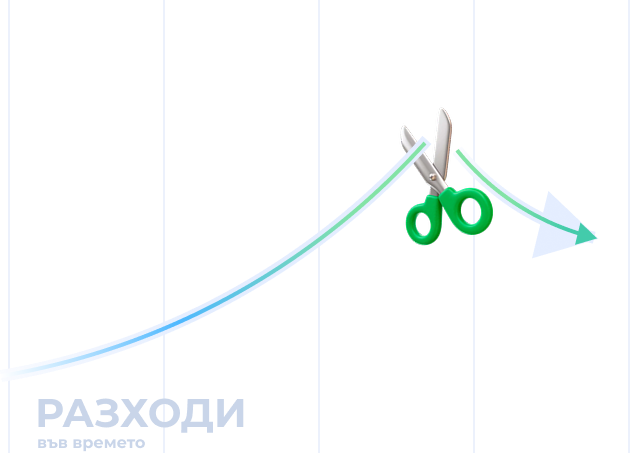
By applying automated processes and optimization mechanisms, the system helps sustainably reduce operating costs and increases resource efficiency

Lower costs
in the long run

Developing your own system is a strategic investment. In the long run, automated processes, reduced administrative work and the ability to extend the system according to your actual needs can significantly optimize operating costs.

Instead of constantly adding disconnected tools and paying for features you don't use, you build a single technology environment around your business.

The ability to
integrate with
your existing
systems

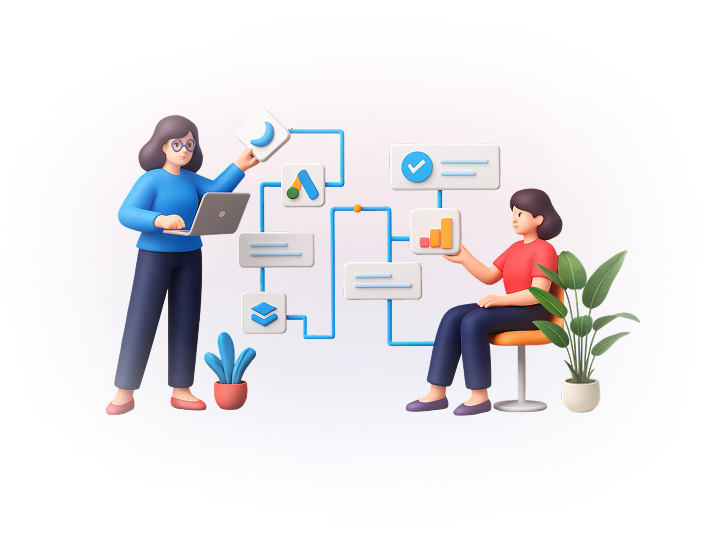
Having your own system doesn't necessarily mean replacing everything you already use. It can be integrated with existing solutions and bring together the information between them.

  • ERP and CRM
    systems

    Integration with existing ERP and CRM solutions to synchronize customers, orders, products, documents and other business data.

  • Accounting and
    financial systems

    Connection to accounting and financial software for automated exchange of invoices, payments, expenses and other financial information.

  • Online stores
    and platforms

    Integration with online stores, web platforms and external systems to synchronize products, inventory, orders and user data.

  • External services
    and API

    Connection to payment providers, courier services, government systems and other external applications via API and specialized integrations.

Frequently asked
questions

Find answers to the most frequently asked questions about our services and the way we work. If you need more information, get in touch with us.

  • What types of software systems do you develop?

    We develop software systems for managing and automating a wide range of business processes – ERP, CRM, warehouse, financial, production and other specialized solutions. A system can bring different activities and departments together in one shared environment, tailored to the way your organization works.

  • Can the system be built around our processes?

    Yes. We analyze how your organization works and develop a solution based on your specific processes, roles and requirements. That way you get functionality that fits your actual work, instead of having to adapt it to the limitations of off-the-shelf software.

  • Can the new system connect to software we already use?

    Yes, as long as your current systems allow the necessary integration. We can build connections with ERP and CRM solutions, accounting software, online stores, payment systems, external platforms and other services, so that information is exchanged between them automatically.

  • How long does it take to develop a software system?

    The timeline depends on the scope, functionality, required integrations and complexity of the project. Once we clarify the requirements and analyze your processes, we define the development stages and a realistic delivery timeline. Larger systems can be delivered in phases.

  • Do you offer support after the system is implemented?

    Yes. After implementation we can provide technical support, updates and further development of the system. When needed, we add new features and modules so the software keeps pace with your organization's changing processes and needs.

Let's build
your software
system

Have an idea for a new system, or want to optimize your existing processes? Tell us about your needs and we'll help you define the right solution and the steps to bring it to life.

...We take it from here
  • Your
    idea
  • Finding a
    developer
  • Developing
    the concept
  • Choosing a
    development team
  • Project
    development
  • Testing and
    verification
  • Going
    live
  • Technical
    support
Free consultation